
|
Lot: 194 ♡
|
|||||||||||
|
Rare 1967 “The First Color Movie of the Planet Earth” Color 16mm Full Length Film Jujita/ATS-III Movie in Tin
|
|||||||||||

|
|||||||||||
 |
|
||||||||||
|
Lot 194:
Rare 1967 “The First Color Movie of the Planet Earth” Color 16mm Full Length Film Jujita/ATS-III Movie in Tin
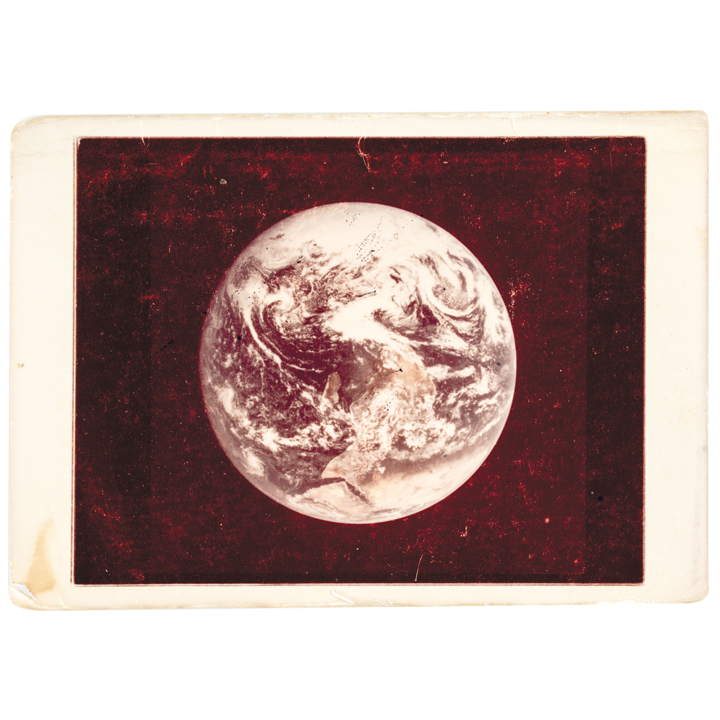
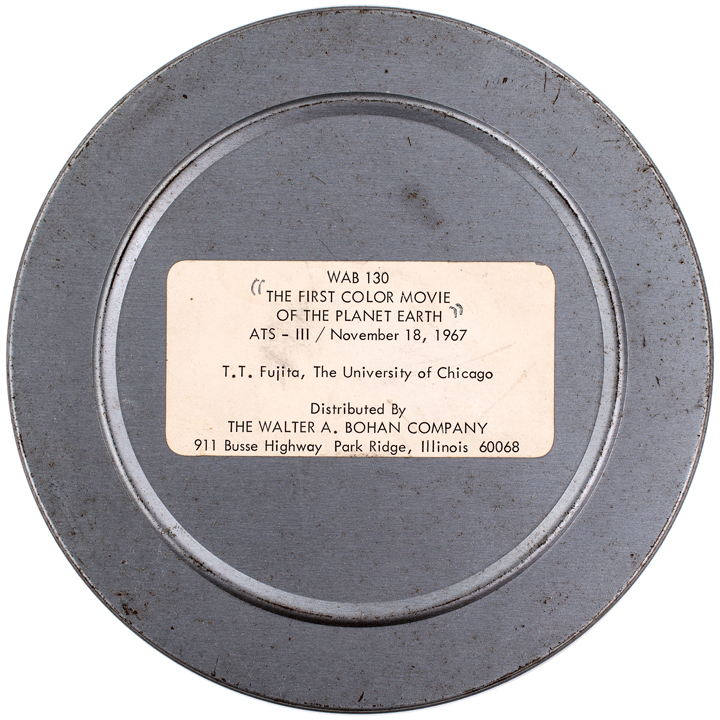
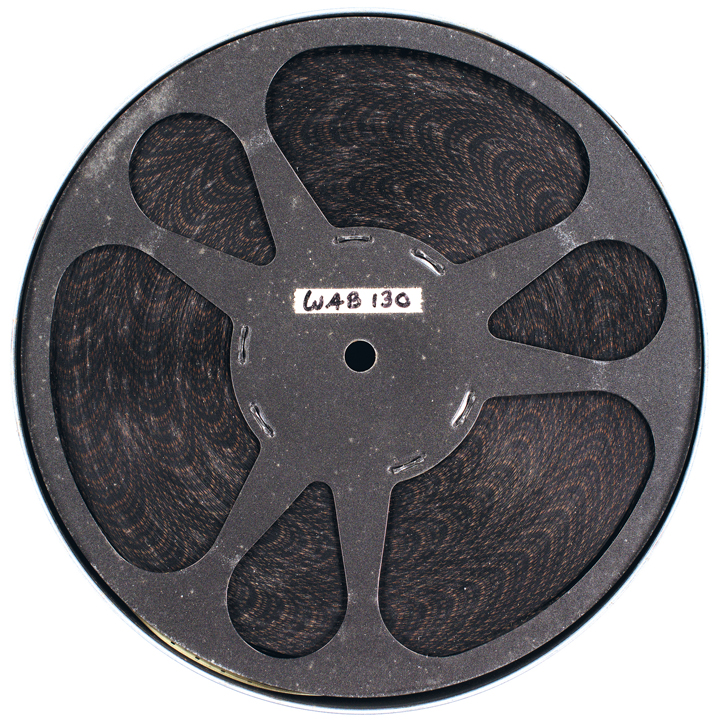
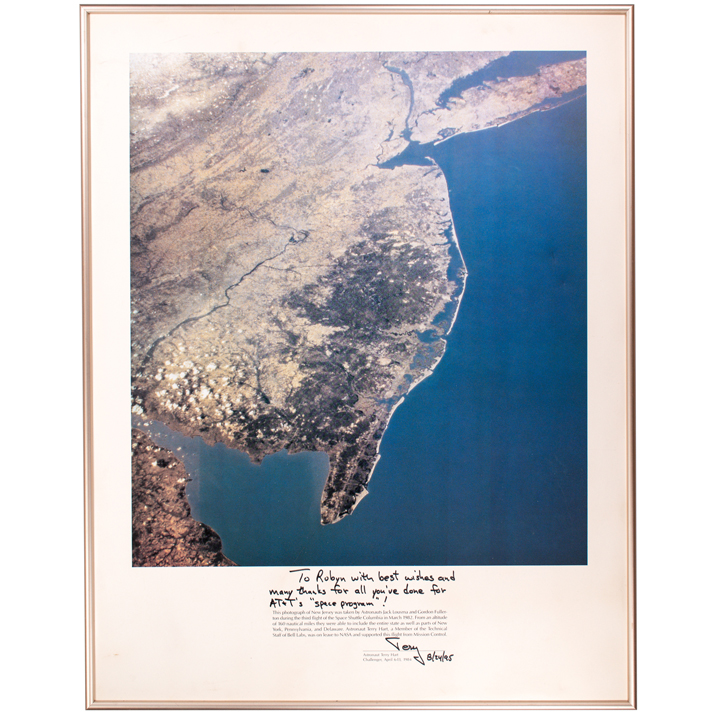
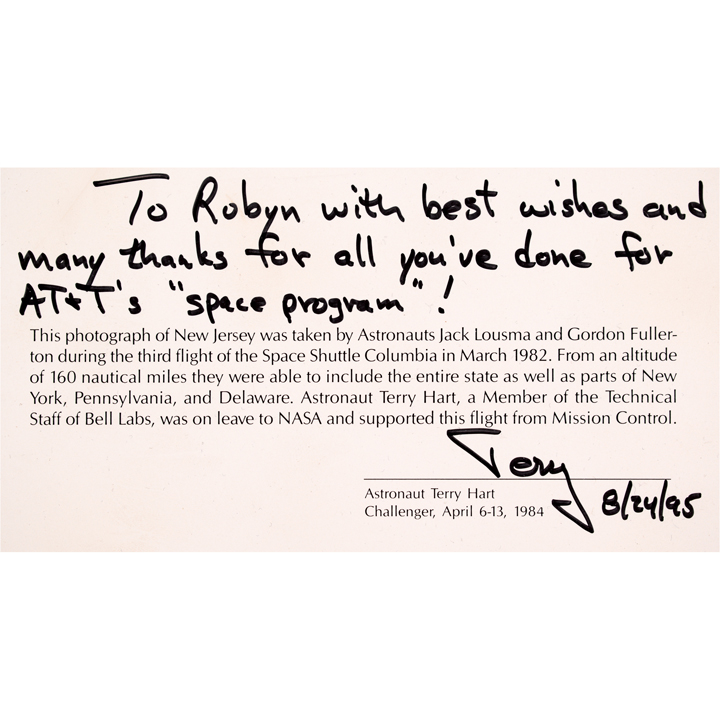
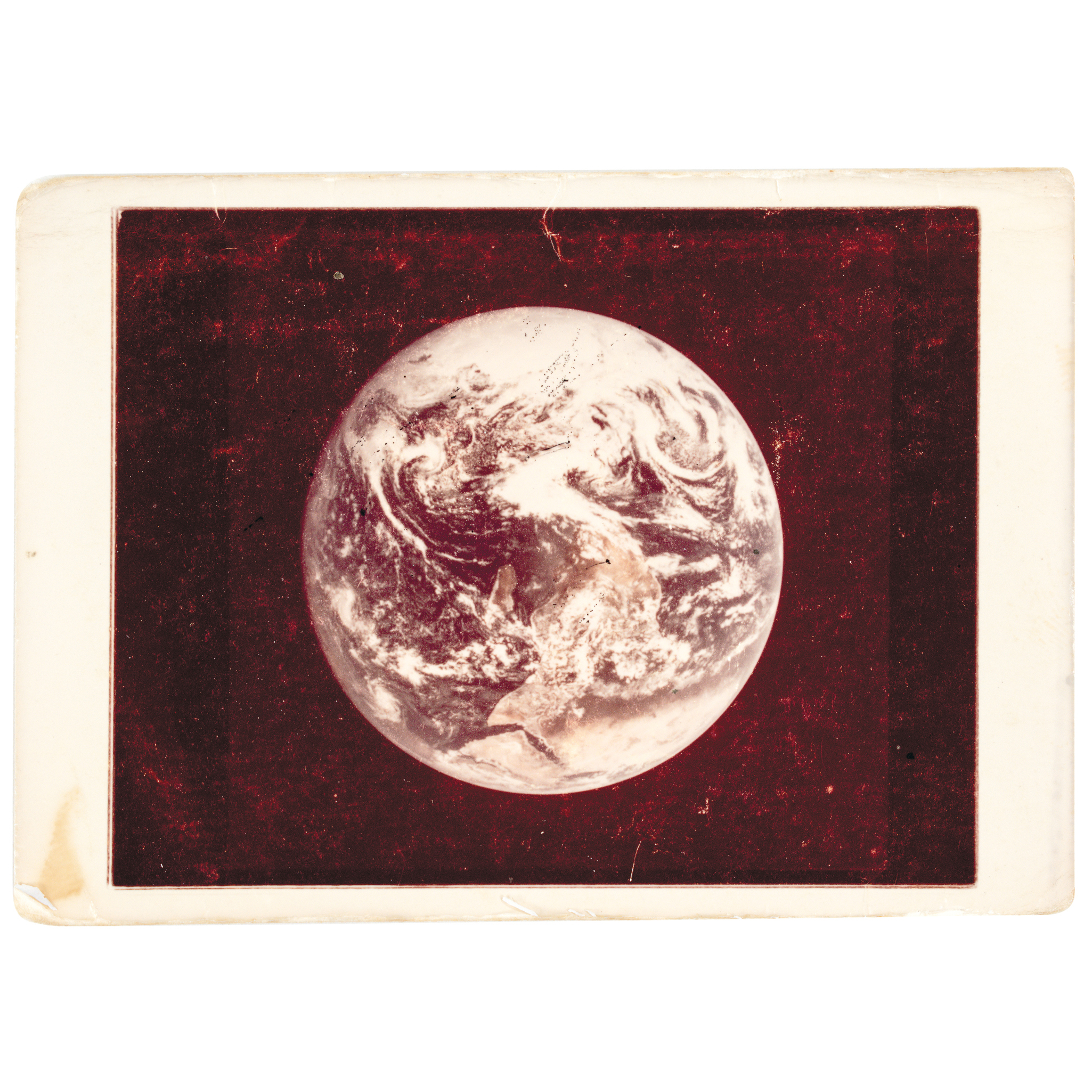
c. November 5, 1967, Color 16mm Vintage Film titled, “The First Color Movie of the Planet Earth” T. T. Fujita/ATS-III Full Length Movie in its original tin, this ATS-III (Applications Technology Satellite 3) footage as found in this film is often cited as the “first satellite color movie,” Choice As Made. This items provenance is impressive. Housed in its original metal tin and also included with this film reel, is a separate single color photo of the Earth taken from the ATS-III and later printed onto about 3.5 x 2.5 inch cardstock and also included is a later satellite photo hand-signed by Challenger Astronaut Terry Hart, with a personal dedication to PBS “Cosmos” producer Robyn Mendelsohn. After the roaring success of ATS I, Dr. Verner Suomi developed a revolutionary high definition color camera for ATS III, called the MSSCC (Multicolor Spin-Scan Cloudcover Camera) which prefigured digital technology. ATS III was launched November 5th, 1967 and sent into an equatorial geostationary orbit (22,236 miles above the Earth).The ATS-III footage in this film is often cited as the “first satellite color movie”. In 1967, this original full length color movie of Planet Earth was created using time-lapse footage from the ATS-3 (Applications Technology Satellite 3). The satellite used the "Multicolor Spin-Scan Cloudcover Camera" to capture high-quality color images that were later compiled into motion pictures. This reel, comprised of 16mm film, is the result of a major effort in animating satellite imagery to demonstrate atmospheric motion and pioneered the techniques that became standard for meteorological movie loops. It was Produced by Ted Fujita, Verner E. Suomi, and Robert J. Parent. This roughly 8 minute film displays original 16mm color film photos of the Earth from the Pacific Ocean to Central Africa, and from Antarctica to Greenland is spectacular shots of our World. We were only able to locate an auction record for a single frame enlarged image from this film reel which sold at Christie’s, New York decades ago for about $4,000 at public auction. A potential “sleeper” lot, its true value known best to Outer Space specialists. (3 items) On November 10, 1967, ATS III (Applications Technology Satellite 3) transmitted the historic first high quality color photograph of the entire disc of Earth. This unprecedented photograph showed North and South America, West Africa and Europe, as well as the southern part of the Greenland ice cap, and Antarctica covered with clouds. ATS III was stationed at an altitude of about 22,300 miles over the Equator at approximately 47PROBLEM: ° W. The original NASA caption for the photograph was uncharacteristically poetic: “The photo shows the entire disk of the Earth, a cloud-covered globe in the blackness of space.” This long-awaited image of our fully illuminated planet in its true colors can be described as humankind’s first self-portrait. Even at this relatively short distance in time, it is difficult to imagine the impact such photograph had on the public who responded with real emotion to the first image of their Home Planet. In December 1966 the geostationary Satellite ATS I transmitted the first B&W detailed photograph of the whole Earth with its “spin-scan cloud camera.” In August 1967, the US Air Force Dodge satellite transmitted a few crude color photographs of the entire disc of the Earth but the quality was very low. After the roaring success of ATS I, Dr. Verner Suomi developed a revolutionary high definition color camera for ATS III, the MSSCC (Multicolor Spin-Scan Cloudcover Camera) which prefigured digital technology. ATS III was launched in November 1967 and sent into an equatorial geostationary orbit (22,236 miles above the Earth). The photograph was to become a symbol of the counterculture movement as the iconic cover illustration of the first 1968 Whole Earth Catalog, the magazine founded by Stewart Brand and lionized by Steve Jobs. Brand had campaigned to have NASA release a then-rumored satellite image of the entire Earth as seen from space, convinced that a picture of the entire planet would change how humans related to their home. [Space Race, Cold War Era, 20th Century America] [Satellite Photography, Meteorology, NASA] [Film, Photography, Autographs] |
|||||||||||
|
Auction Closing: Saturday, August 29th
at Noon Eastern Time • 9:00 AM Pacific Time |
|||||||||||